

In the realm of cannabis concentrates, live resin has risen to prominence as a sought-after choice for connoisseurs and enthusiasts alike. With its distinctive flavors, potent effects, and terpene-rich profile, live resin has carved its own niche in the cannabis landscape. As we embark on a journey from farm to vape, we’ll explore the captivating story of live resin and its pivotal role in the world of disposables, guided by the innovative offerings of exhalewell.com.
1. Cultivation and Harvest: Nurturing the Source
The journey of live resin commences on the cannabis farm, where meticulous cultivation practices play a pivotal role. These plants are harvested at their peak potency, capturing the moment when cannabinoids and terpenes are at their most abundant and vibrant. This commitment to quality at the cultivation stage sets the foundation for the exceptional flavors and effects of live resin.
2. Cryogenic Extraction: Preserving the Essence
One of the distinguishing features of live resin is its unique extraction process. Unlike other concentrates, live resin employs cryogenic extraction, where freshly harvested cannabis plants are frozen immediately after harvest. This prevents the degradation of volatile compounds like terpenes, ensuring that the plant’s essence remains intact throughout the extraction process.
3. Terpene-Rich Profile: A Symphony of Flavors
Terpenes are the aromatic compounds responsible for the distinct scents and flavors of cannabis. These terpenes are preserved in higher concentrations in live resin, leading to a complex and nuanced flavor profile that mirrors the plant’s natural essence. The result is an unparalleled sensory experience in the world of cannabis concentrates.
4. Crafting Disposables: The Fusion of Innovation
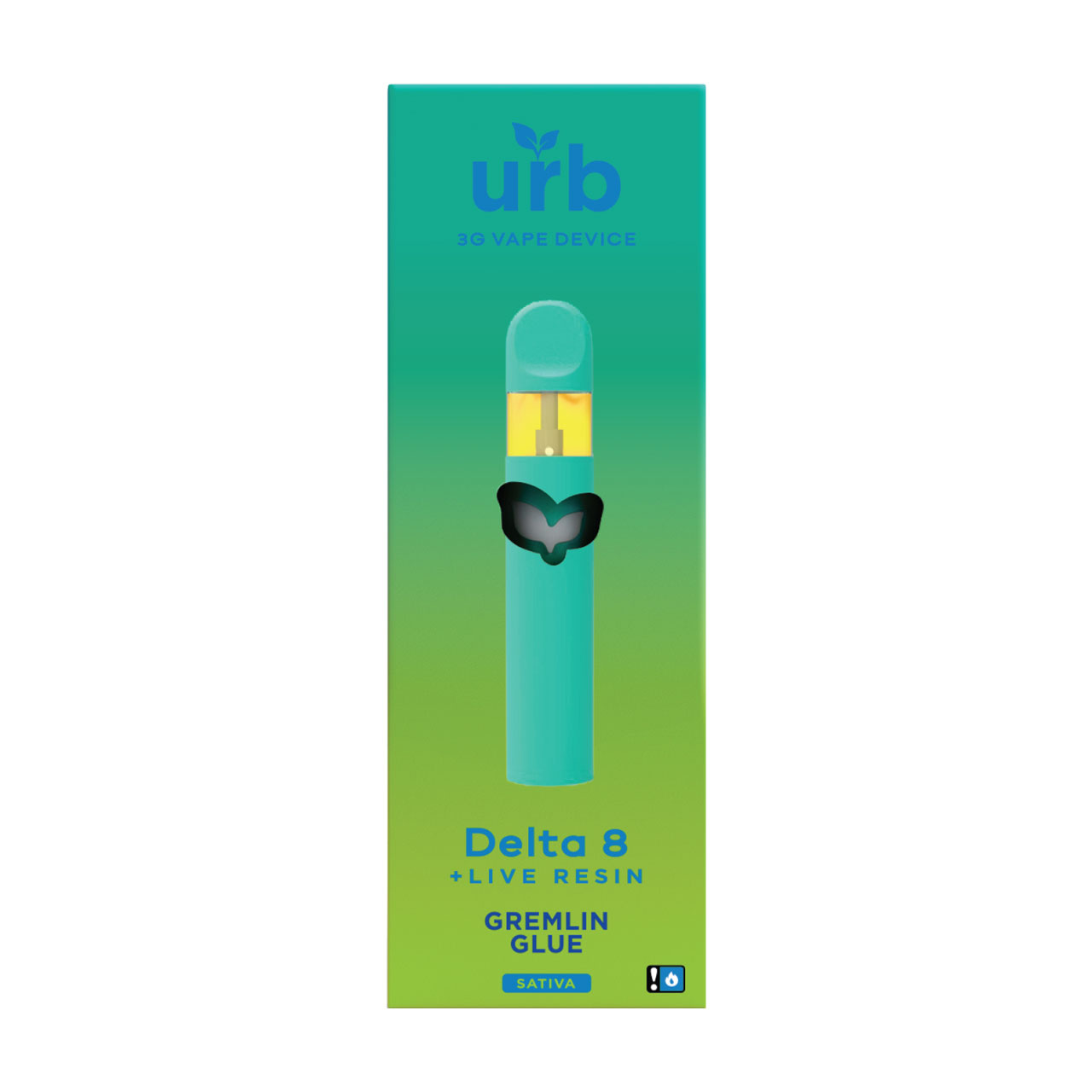
The evolution of live resin has extended beyond traditional consumption methods to embrace modern innovations like disposables. Companies like exhalewell.com have harnessed the potential of live resin to create disposable vape pens that offer a convenient and user-friendly way to experience its effects. These disposables encapsulate the essence of live resin, providing users a seamless and hassle-free experience.
5. A Holistic Experience: Live Resin Disposables by Exhalewell.com
At exhalewell.com, the journey of live resin is translated into a holistic experience through their innovative disposable vape pens. These pens encapsulate the rich flavors and effects of live resin, ensuring that users can savor the nuances of the cannabis plant in a portable and discreet manner. With a commitment to quality and transparency, exhalewell.com brings the essence of live resin from farm to vape, providing a new dimension to cannabis consumption.

Conclusion:
The journey from farm to vape vividly depicts the intricate process that shapes live resin. As this concentrate takes center stage, its role in disposables marks an evolution that aligns with modern preferences and convenience. Thanks to pioneers like exhalewell.com, the essence of live resin is now encapsulated within disposable vape pens, allowing enthusiasts to embark on a sensory voyage with every puff. With its distinctive flavors and effects, live resin showcases the harmony between nature’s bounty and human innovation, leaving an indelible mark on the world of cannabis consumption.